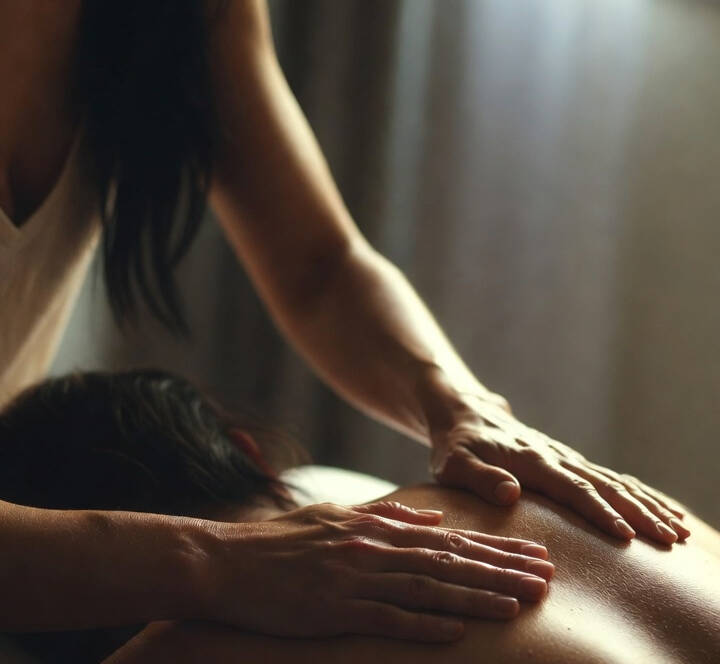
You were waiting for a table with towels and oil. You enter the room and are met with a low mattress, pillows and a professional who asks if you feel better on your back or on your side. This could be the start of a shiatsu session. The Japanese approach emphasizes firm contact, successive pressures, and the relationship between posture and body sensation. For the guest, the most noticeable difference from a classic massage is that he remains clothed. But even more interesting is the difference in time. The hand can remain still and yet the moment has a beginning, a progression and a clear end.
Why is the method called finger pressure?
The word shiatsu is usually rendered as “finger pressure”. The translation is a good place to start, as long as you don’t expect an hour of fingertip pressure. Depending on the practitioner’s training and your agreement, palms, thumbs, gentle stretches or supported movements may be used. Some sessions are characterized by small position changes and a lot of rest. Others leave more room for movement. The main question is not whether everything will be done. It is what mixture of contact and movement describes the person who will work with you.
If you are used to Swedish massage, where gliding can connect large areas, the first pressure over the clothes may seem short. But he noticed the transition. The palm finds a position, the pressure gradually increases, stays for a while and subsides before the hand is carried further down. The slow discharge can be just as noticeable as the initial contact. A professional can repeat this phrase along the back or side of the leg. Thus a rhythm is created without having to constantly slide the hand over the skin.
Futon, massage bed or sitting position
A futon is a mattress placed low on the floor. It offers a stable surface and allows the professional to move around you from different sides. For some people, being low creates a sense of security. For others, sitting on the floor and especially returning to a standing position is difficult. Shiatsu can also be offered on a massage table or in a seated position, depending on the space and training. H British Shiatsu Society describes the usual options for anyone who wants to prepare for their first session.
Before you close, describe a specific activity in your daily life. “I can sit down, but I need firm support to stand up” gives more information than a general “I have some stiffness”. The space can tell you if there is a chair in the right place, if it has an alternative surface and if the room has easy access. If you would prefer to stay on the side, ask if there are pillows for the head and between the knees. So you start by discussing the actual position you’ll be spending time in, rather than guessing from a catalog photo.
What clothes make the experience more comfortable
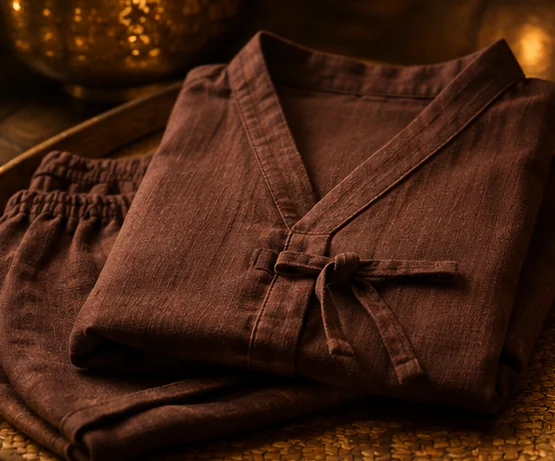
Comfortable clothes mean something more practical than wearing the loosest blouse you own. The fabric needs to allow the knee to bend and the shoulder to move without being tight. At the same time a very loose garment may gather in folds under the palm. A simple pair of soft trousers and a blouse without hard buttons on the back is often enough. Check to see if you’ve left keys in your trouser pocket, if the belt presses when you lie down, or if your hood acts as a pillow where you’d like flat support.
If you’re coming straight from work, ask if you can change clothes before the session. You don’t have to spend all day in sportswear to try shiatsu in the afternoon. A lightweight ensemble in the bag frees you from worrying about a shirt getting wrinkled or a zipper bothering you. Also update about the socks. Some areas may ask for clean socks on the mattress. If you tend to get cold when standing still, ask for a cover for the areas that are waiting their turn.
The first pressure as a point of reference
Often the visitor tries to decide whether he likes the technique before he has time to understand exactly what he feels. See the first contact as an opportunity for understanding. Pressure can be comfortable when applied with the palm of the hand and excessive when concentrated on a smaller point. Or maybe the intensity is good but the pause seems too short. Say which element you want to change. “A little less weight, but keep the same slow pace” is a remark that translates directly into a different experience, without the pro having to guess what you mean.
There are people who unconsciously hold their breath when they are waiting for something unknown to begin. You don’t need to achieve any special breathing rhythm or stay still at all costs. If you feel yourself trying to help with the movement, ask if you need to join in or let the professional support the member. The answer may vary depending on the specific move. A little clarification at the start prevents the weird feeling that you’re both trying to point the same arm or leg in different directions at the same time.
What do references to energy and meridians mean
Some practitioners explain shiatsu in the traditional vocabulary of qi and meridians. They may use these concepts to describe the course of contact or the logic by which they organize the session. Others prefer to talk about pressure, posture, movement and rest. You can ask them to describe the experience to you in the terms you understand best. If you are interested in tradition, ask how it affects the order of manipulations. If you’re mostly interested in sensation, ask for a simple explanation of what area is next and what movement will be made.
The traditional vocabulary has a place as a description of a school of practice. A claim to diagnose or treat a particular condition is different and needs proper scientific substantiation and evaluation by a health professional. If you have a persistent symptom, don’t let the interpretation of a pressure on the mattress decide whether to seek medical advice. You may choose shiatsu as a wellness session because you like the contact over clothes, the quiet pauses, or the feeling of support. These are specific preferences that do not require you to accept a promise of measurable change in your health.
Shiatsu and Thai floor massage
Photography can be confusing. Both sessions may take place on a mattress, with the guest clothed. If you’re primarily looking for the feel of a sequence of stretches and supported movements, ask how the Thai program of that particular venue is organized. If you’re more drawn to alternating steady pressure and pause, describe it when you ask about shiatsu. There is overlap and difference between schools, so a good description from the practitioner is more revealing than the label. For example, ask him to describe to you how the first few minutes will go in each of the two options.
Let’s say you did a floor session last year and didn’t like it when your arms and torso moved at the same time. This doesn’t mean you have to rule out every mattress session. Explain that you liked the support on the floor, but you want to stay longer in the same position, without major changes. Conversely, if the constant static pressures tire you out, you can ask if more movement is provided. You have a better chance of finding what you want when you describe what happened to your body than when you try to remember the correct foreign language name.
What to have agreed before you start
Ask about the duration of the contact, the time of the initial discussion and the professional’s experience with the position you desire. If there is an area you want left out, say so by name. For example, you may want contact on the shoulders but no contact on the belly at all. Your wish also applies when the specific point is part of the professional’s usual sequence. If you need personalized advice due to pregnancy, recent surgery or another health condition, contact the healthcare professional attending you in time and inform the venue before you book.
A useful practical issue is how to communicate when you are face down or sideways and cannot see the practitioner’s face. You can agree that he will tell you when you need to switch sides and that a simple word like “pause” stops the contact immediately. This is of particular value if you are a visitor from abroad and the conversation takes place in a second language. Try in advance the two phrases you will need most often. That way you won’t have to mentally translate whole sentences when you just want the pressure to change a bit.
Another useful arrangement concerns quietness. Some people like to hear brief explanations of each change because it allows them to more easily put their weight on the mattress. Others find that constant explanations interrupt the slow succession of pressures. You can request an update only when a member is about to move or when your position changes. This keeps the conversation active without turning every pause into a conversation. If you find that you prefer the opposite, just say so as soon as you feel the need, even at the first pause.
What you learn from the first experience
When the session is over, note which detail you would like to repeat. Was it the firm pat on the back, the slow side switch, or the ability to stay in your own clothes? Also note something you would change. Maybe an extra pillow would have made the position more comfortable, or maybe you wanted more information before a move. The next reservation becomes essential when it starts from such observations. For information on the wellness options available at Mansion Escape Massage in Athens, call 6946080253 and confirm the method and location you would like to try.