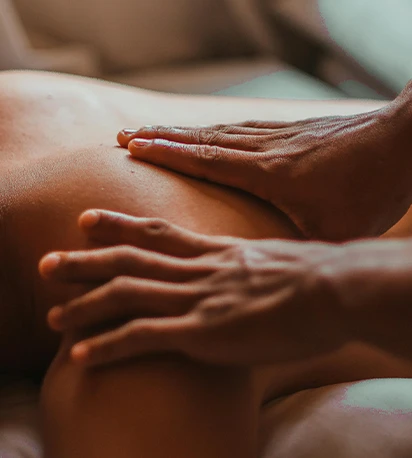
The first thing one notices in Swedish massage is often the path of the hands. One stroke crosses much of the back, the next stays around the shoulder, and then a broad palm joins the two areas again. This rotation gives coherence to the session. For someone who wants to get to know massage without suddenly finding themselves in a series of intense manipulations, the classic Swedish approach offers an easy-to-read starting point. You know roughly what to expect and have plenty of room to say what you prefer along the way.
What does “classic” mean in a venue’s catalog?
In Greek you will come across both the term “Swedish” and the words “classic” and “relaxing”. Descriptions often overlap. One venue might call a calm version of a Swedish massage relaxing, while another uses the same word for any slow-paced session. If you are choosing based on an experience you enjoyed in the past, describe what exactly you remember. The phrase “I liked the long continuous movements, especially in the back” helps more than a label that every catalog uses a little differently.
The word “whole body” also needs a practical clarification. It usually states that the time is shared in more areas such as back, arms and legs. The exact route depends on your agreement with the professional. You can skip the soles, keep the belly covered or ask for a little more time on the palms. All these options fit into a Swedish massage. But they have an effect on the time left for the rest of the body, so it’s worth mentioning them from the beginning.
The language of movements
In descriptions in English or French you may read the word effleurageIn practice, you will recognize it as a slip, when the palm travels on the skin for a relatively long distance. It matters how fast it’s done, how wide the contact is and how it ends. The same path can appear calm if the movement fades out gradually, or lively if it repeats more quickly. This explains why two sessions with the same name and the same duration can leave you feeling quite different.
The pétrissage, the kneading, gives a different character. The hands stay for a while in a smaller area and work rhythmically. On the shoulder the difference is easily noticeable. One moment you feel a movement crossing the area and the next the contact stays local. Some visitors enjoy just this change. Others prefer it to last less. A useful phrase at this time is “keep the same pace, but use a wider contact”.
The light rhythmic beats, which may appear as tapotement, is the most visually recognizable piece of the classical repertoire. A photo or video of a school often gives them more emphasis than they have in an actual wellness session. If you are surprised by the sudden change, you can request that they be omitted. The professional has several other ways to change the pace and move from one area to the next. You don’t have to go through each named technique in turn to make your visit worthwhile.
How time is divided at the table
Imagine two guests closing at the same time. The former wants a full-body experience and particularly likes hands. The second wants to stay most of the session on the back, with a short change of position towards the end. If the practitioner follows exactly the same sequence for both, one will walk away feeling like time was wasted. The right question before you start is simple. “If we stay a little longer here, in what other area will we spend less time?”
Changing from prone to supine is a natural point for reassessment. The professional explains how to move under the towel and gives you space to relax your neck, knees or hands. If the first seat is tiring, you can request a change earlier. Sometimes what the visitor attributes to excessive pressure is the awkward tilt of the head or the way the shoulder rests. A short pause allows you to identify exactly what needs adjusting.
Pressure has more than one dimension
“Medium” is not a common unit of measurement. The same force on a broad palm is perceived differently than contact with a few fingers. Additionally, a pressure you like on the shoulder may feel excessive on the forearm. In practice, better calibration is done in the first few minutes, over the specific area. Say “it’s comfortable there” when the right spot is found. This way the professional gets a real reference for you and can check it again when the area or technique changes.
There is also speed. One may say “softer” when in fact he is annoyed by the hasty repetition. Try to describe the two elements separately. “The pressure is good, I would like the movements to be slower.” Or, conversely, “I like the pace, but I want less pressure.” This is probably the easiest way to turn a general “not a good fit” into a change you can immediately evaluate.
What role do oil and towel play?
Oil or cream helps glide. Small differences in quantity and texture change the feel of the touch. If there is a lot of product left, you may prefer to wipe the area at the end. If you spend most of the day in the office, you may ask that no product be used near the hair or on the palms. These are simple choices that are easier to make at first. Swedish massage can have the same character as a neutral product, without added fragrance.
Coverage also organizes session flow. When one leg is worked, the other areas can be left covered. The movement of the towel signals where attention will be directed. If you want to know in advance what’s coming next, ask for a brief update on the transitions. If you prefer quiet, you can agree on just a simple signal for position changes. In both cases you retain the ability to speak, skip an area or ask to end the session.
When would you prefer a different genre
If you expect mainly assisted movements and stretching with clothes, read the description of the Thai massage before you decide. If you’re looking to focus on an area of concern in your particular activity, discuss how a sports session differs. If it’s the feeling of heat that appeals to you, ask what hot stones add. The comparison makes sense when you start from something tangible that you want to experience, such as motion, localized contact, or heat.
A frequent dilemma is Swedish or deep tissue. You may encounter slow movements in both. In classical Swedish the overall path and the alternation of techniques usually have a central role. In deep tissue time can be concentrated much more on selected tissues. If you just want a little firmer pressure on the back and gentler movement elsewhere, explain that before switching genres. Your request may fit comfortably within the initial selection.
Three little decisions before the first date
First choose the area you would definitely like to be included. For a person who works long hours with their hands, it can be the forearms and palms. For someone who is tired from long hours of commuting, it can be the back. The example describes a wellness preference. If there is new or unexplained pain, the right person to evaluate is a health professional. Choosing between two types of massage cannot clarify the cause of a symptom.
Then decide what elements would throw you out of your rhythm. It could be the music with vocals, the room temperature or a smell you don’t like. In a massage with slow repetitive movements, these small details often become more noticeable. You don’t have to make a whole list. A clear priority is enough to prepare the space and not have to interrupt after the session has already started.
Finally, clarify what exactly is included in the duration of the detention. An hour in the calendar can include the short talk, change of clothes and dressing at the end. Depending on venue policy, actual contact time may vary. He asked for the total length of stay and the time at the table. This way you will avoid hastily choosing a longer or shorter duration just because the descriptions of two spaces use a different measurement.
What to keep from the session
In the end try to remember two specific moments. Which move would you like to last longer and at what point would you prefer different contact? Answers act as personal notes for a subsequent booking. A “I liked the slow work on the palms, less the quick changes on the back” is pretty clear even to someone who has never seen you before. There is no obligation to repeat exactly the same sequence next time.
One last detail is how the last move closes. In a calm session the practitioner can slow down and give you some time before you get up. If you have to leave immediately for an obligation, say so early. It is better to arrange a quiet finish within the available time than to abruptly stop the agreed route. For the next visit, remember this transition as well. Ultimately, the most enjoyable aspect for you may be that the pace of contact remains predictable from the first minute until your time is up.
If you are booking your first Swedish massage in Athens, a short sentence can make all this preparation simple. “I want a calm full body session, with neutral oil, emphasis on the back and little time for the arms. What duration is appropriate?’ If you wish, note your preference so you can remember it on your next visit. For information on the options available at Mansion Escape Massage, call 6946080253 and confirm the method, duration and price before booking.