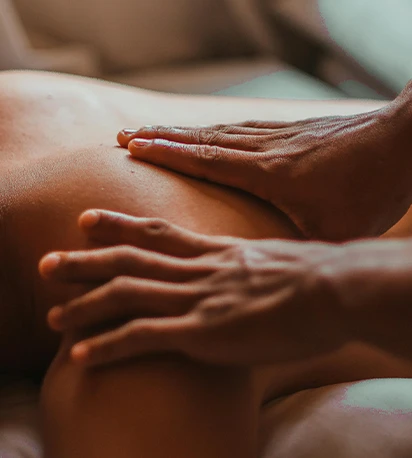
Sensory massage is a trade description that typically emphasizes experiential stimuli such as touch, light, sound, and texture. To choose, ask which of them is included in the particular service and which can be changed. Being a “sensory” experience doesn’t mean you have to accept a strong scent, very low lighting, or an element you’re not comfortable with.
From the name to today’s description
In Mansion there is an earlier published presentation with the name Playful Sensory MassageUse it as a starting point to ask what is available today and how it is organized. He asked that each key element be described in simple terms. Photos and names set the mood, while the answer to the actual customizations will determine your choice.
Light, sound and sense of the room
The same space may seem calm to one and busy to another. Think about what affects you more, the light, the music, the smells or the sounds from the corridor. If it is something decisive, say so in the first communication. A venue can easily change the music but have constant lighting, or offer a different room only at certain times.
Give a specific example. “I’d like to hear what you’re saying clearly” is clearer than “some music”. “I want to be able to see the door easily when I open my eyes” explains a need better than the general “it shouldn’t be too dark”. You don’t have to imitate the image of an advertisement with candles and heavy curtains. Atmosphere has value when it serves the person in the room.
You can request one adjustment at a time and see if it suits you. If the music turns down but you’re still having trouble communicating, an additional change is needed. If an aromatic element is removed but the smell remains, say what you notice. Clear feedback helps the practitioner understand what element is affecting the experience. For more targeted preparation, there is also session audio guide.
Which product touches your skin
Before applying a product, you can ask for its name and see the label. If you’re mainly interested in smell or texture, say so. If you have a known allergy or have received medical advice, the decision about suitable products needs to be based on this information and appropriate professional advice. A photo of the vial or the phrase “it’s natural” is not enough to assess a particular sensitivity.
Preferences may also concern what is used in the room. Ask for clarification on room fragrances, towels and products applied to the other table if two people are going. If odor avoidance is necessary, make it a condition of the reservation. The venue should tell you honestly what they can prepare, especially when there have been other sessions on the same day.
If you propose to bring your own product, ask if it is accepted and if it fits the specific procedure. It is not a given that every technique can be performed by any means. If there is no suitable option, you can look for another form of care or another day. O guide to fragrance free massage explains how to send a clear request without confusing scent preference with a general promise of suitability.
When a nice description leaves practical gaps
Words like “holistic,” “deep,” “premium,” or “ritual” often describe the aesthetic and philosophy of a service. For your selection, you also need information that you can use. Ask where the session is taking place, what body position to start with, if any product is used, and if touch or movements are adjusted. An example from the beginning of the process gives a clearer picture than yet another blanket promise of relaxation.
You can ask them to describe the first ten minutes. There will be a talk beforehand, there will be time to prepare yourself, the coverage will be explained and how do you request a change? The question does not require any “secret” technique to be revealed. It’s about your own participation in the experience. If something is critical, such as avoiding perfume or keeping a certain area covered, mention it right away.
Also kept the difference between general description and availability. The page explains what the business’s product is. The response to your request confirms whether it can be offered on your terms that day. If there is any ambiguity, ask for a brief written clarification. Read the answer in the order of your own questions. If something essential is not answered, the nice overall impression does not cover the gap in the organization.
A simple signal to change or stop
Agree on a word in advance that you would use naturally, like “pause.” The response must be clear and immediate. The energy that makes it difficult for you stops, your request is heard and then you decide if you want adjustment or completion. You don’t need to have found the exact reason to ask for some time. The fact that something is difficult for you is enough to express it.
In a prone position or in a room with music, think about whether your voice is easily heard. You can also agree a visible hand signal. Try it while you’re still able to see each other. A signal that hides under the towel or requires movement that makes it difficult for you does not serve its purpose. The solution must be simpler than the problem it aims to solve.
When you ask for change, notice exactly what changed. If you say “softer” and the feeling remains the same, say it again in a specific way or ask to drop the point. You can also sit down to explain better. The goal of a wellness visit does not require you to endure anything in order to complete the program. The ability to customize your participation remains active until the end, even if the session had started very differently.
When you like the texture but the scent bothers you
Imagine you like a warm, quiet room with soft fabrics, but you don’t want a scented product. If you just say “I want the sensory experience”, your need can disappear. Say separately that you appreciate the lighting and texture but need to avoid fragrance.
He asked if this is only for the oil or also the room and towels. If the venue can’t organize it, you’ll know before you move. If possible, confirm that the information was passed on to the person preparing the room. The quality of such an experience is seen in whether the elements work together for your own comfort. It does not depend on how many different stimuli are added to the sequence.
Clothing and equipment affect selection
Photos of a service are not enough to decide what to wear. Ask if this particular procedure is done with clothes, with a product on the skin, or in an adjustable way. If you prefer to remain clothed, state this as part of the request. The space will tell you what real options exist and what limitation each one can create.
For a session with movement, the comfort of the garment in the requested positions is also important. For table service, care about where you will place your things and how the change will be done with privacy. If there are special clothes on site, ask what is provided and what you can use from yours. The answer helps you get ready without excessive shopping or unnecessary carrying of items.
See also him oil free massage guide, which explains why different procedures have different requirements. If a preference does not fit a specific technique, you can request another service with a similar personal goal. Wanting quiet time, a slow pace, or individual attention doesn’t bind you to a single international name. Clarity about the practical part usually makes the final choice easier as well.
What information do you need to share
The type of service you are interested in, the desired day and any practical features that are necessary are usually sufficient in the first message. If you want to discuss something personal, you can request a private phone call or a few minutes in the space. You don’t need to describe sensitive details in a public comment to find out a price or an available time.
A useful wording is ‘there is a preference I would like to discuss directly with the practitioner’. Ask who will receive the information and if you need to repeat it upon arrival. If it is a health issue, the appropriate interlocutor for a clinical decision remains your healthcare professional. The reception can explain the process and the practical possibility of adaptation.
If you are accompanied, decide which parts of the conversation you want to be done individually. The attendant can help with communication without necessarily answering for you. The same applies to a person who arranges the reservation as a gift. It can convey scheduling information, while personal choices for the session are confirmed by the person who will be participating. This way, misunderstandings are reduced and it remains clear who gives the final answer about their experience.
Time at the table and time of the visit
Before choosing a duration, separate the time of the care itself from the total time you need. Calculate reception, conversation, change of clothes and departure. If you want a shower, ask how it fits into the schedule. Two offers with the same number of minutes may be organized differently, so the time you have to leave is useful information from the start.
On a hypothetical afternoon with a tight schedule, a smaller service with a clear goal might suit you better than a larger one that will make you feel rushed. If you have free time, think about where you would like the extra minutes to go. Slower changes, more time in one area or a different overall distribution? The answer helps you decide whether the longer duration meets your own desire.
To duration selection guide thirty, sixty and seventy-five minute options are analyzed. Confirm which ones apply to your service. If anything changes at the time of arrival, inform the venue immediately and ask what this means for completion. It is not a given that a late start moves the entire program. The consultation before you arrive allows you to consciously choose whether the adjustment serves you or if you need a different appointment.
How do you turn an expectation into a clear request
Before choosing, think about what you would like to remember from the visit. The answer may be about a sensation, like having time without distractions, or a very practical condition, like knowing when to change seats. The more specific it is, the easier it is for the venue to tell you if it covers it. The phrase “I want something good” leaves a lot of room for interpretation. The phrase “I want a slow pace, gentle pressure and an explanation before each change” describes a real choice.
It is also useful to name a priority. If you list ten equal requests in one short session, you may find yourself expecting more than you can fit. Choose what is most important today and ask how the available time will be organized around it. The rest can be discussed as preferences. This series also helps when comparing two services with impressive but obscure titles.
After the discussion, repeat in your own words what you understood. For example, “so we’ll stay in this area, at this pace, and we’ll decide together if I want a change.” If the answer confirms your own proposition, you have a common starting point. If a correction is needed, it is done before the session begins, when you still have all the time to decide. No previous experience or knowledge of techniques is needed to describe what makes you feel comfortable.
Organize your own visit
For information on available options, see Mansion Escape Massage related page and confirm the procedure, duration and what is necessary for your own comfort.